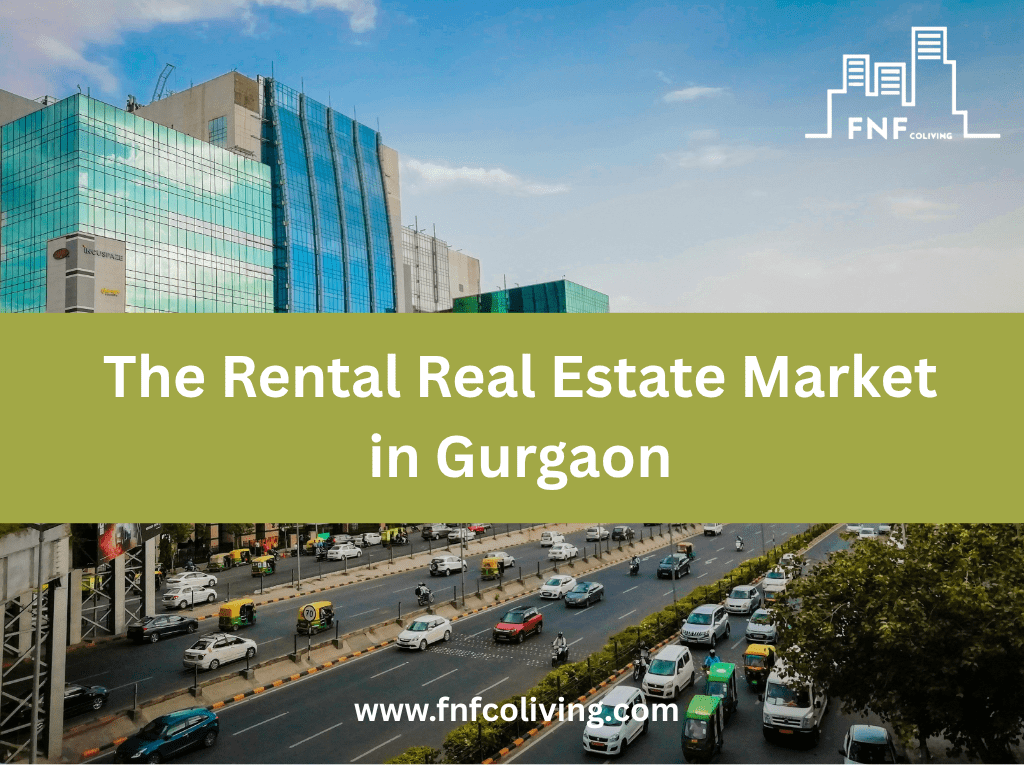
The rental real estate market in Gurgaon has experienced remarkable expansion due to an array of factors that shape its growth. Gurgaon’s reputation as an IT and business process outsourcing (BPO) center draws a diverse workforce from different parts of India and beyond. The presence of corporate offices, industrial zones, and commercial centers has propelled the demand for rental properties to cater to this influx of professionals. Furthermore, Gurgaon’s strategic location and connectivity to Delhi via a well-developed network of roads, metro lines, and expressways have contributed significantly to its attractiveness. The city’s accessibility to the international airport and its ongoing infrastructure enhancements have fueled investments, boosting the demand for rental accommodations. Nonetheless, certain challenges confront the rental real estate market. Escalating rental rates can impede accessibility to quality housing for middle and lower-income segments. The market’s diversity, featuring a range of properties from luxurious apartments to more economical options, mirrors varying preferences and financial capacities. However, concerns about living conditions and tenant satisfaction may arise in certain segments where quality standards are lacking.
Efforts have been made to regulate the rental market through legislative measures. The Haryana Regulation of Urban Areas (Special Provisions) Act, 2013, and the Real Estate (Regulation and Development) Act, 2016 (RERA) have introduced regulations to address unauthorised colonies, property tax collection, and the broader real estate sector’s transparency.
Market Dynamics and Growth Factors:
The rental real estate market in Gurgaon has experienced remarkable growth over the years, largely driven by various factors. One of the key catalysts is the city’s status as an IT and business process outsourcing (BPO) hub, attracting professionals from across the country and abroad. The presence of numerous corporate offices, industrial zones, and commercial centres has created a robust demand for rental accommodations among the workforce. Additionally, Gurgaon’s connectivity to Delhi through an extensive network of roads, metro lines, and expressways has further enhanced its allure. The city’s proximity to the international airport and its evolving infrastructure have contributed to the inflow of investments, leading to a heightened demand for rental properties. Furthermore, Gurgaon’s reputation as a lifestyle destination, with shopping malls, entertainment centres, and fine dining establishments, has drawn individuals seeking a modern and cosmopolitan urban experience.
Challenges and Dynamics:
However, the rental real estate market in Gurgaon is not devoid of challenges. One of the foremost issues is the escalating rental rates, which often pose affordability constraints for various segments of the population. As demand outpaces supply, landlords tend to command higher rents, which can affect the accessibility of quality housing options for the middle and lower-income groups. The market is also characterised by a wide range of properties, from luxury apartments to more budget-friendly accommodations. This diversity reflects the varying preferences and financial capacities of renters. Nevertheless, the quality of housing in certain segments might not meet expected standards, raising concerns about tenant satisfaction and living conditions.
Another challenge is the lack of standardised rental agreements and dispute resolution mechanisms. Many rental agreements are based on informal understandings, leading to potential conflicts between landlords and tenants. A transparent and structured legal framework for tenancy agreements could help in building trust and ensuring fair treatment for both parties.
Regulatory Landscape:
In recent years, regulatory interventions have aimed to streamline the rental real estate market in Gurgaon and create a more balanced ecosystem. The Haryana Regulation of Urban Areas (Special Provisions) Act, 2013, introduced provisions to regulate unauthorised colonies and provide legal status to the properties within them. The Act also emphasised the importance of property tax collection and regularisation.
Furthermore, the Real Estate (Regulation and Development) Act, 2016 (RERA), brought transparency and accountability to the real estate sector, although its applicability primarily extends to the primary market. While RERA does not directly govern the rental market, its influence indirectly impacts investor confidence and consumer protection.
Emergence of Co-living and Shared Accommodations:
A notable trend in the Gurgaon rental real estate market is the emergence of co-living and shared accommodation models. These arrangements cater to young professionals, millennials, and students who seek affordable yet comfortable living spaces that foster community interactions. Co-living spaces provide amenities such as furnished rooms, Wi-Fi connectivity, and common areas, making them attractive options for those new to the city or looking for a social living experience.
Co-living models also align with the changing lifestyles and preferences of the younger generation, who prioritise experiences and convenience. This trend has the potential to reshape the rental market landscape, promoting innovative housing solutions and addressing challenges such as high rental rates and housing shortages.
Future Prospects and Opportunities:
The future of the rental real estate market in Gurgaon presents several opportunities and potential directions. Given the city’s ongoing urbanisation and economic growth, the demand for rental properties is likely to persist. However, addressing affordability concerns and ensuring a diverse range of housing options will be crucial to accommodating various income groups.
The growth of co-living spaces and shared accommodations could further evolve, offering unique living experiences and community-driven environments. Collaborations between real estate developers and technology firms might lead to the integration of smart home technologies, enhancing the quality of living for renters.
Additionally, regulatory measures that provide clarity and structure to rental agreements could foster a more transparent and secure environment for both landlords and tenants. The introduction of mechanisms for conflict resolution and tenant protection can contribute to a more balanced rental market ecosystem.
The rental real estate market in Gurgaon reflects the city’s dynamic urbanisation and economic growth. Its growth drivers are rooted in factors like corporate presence, connectivity, and lifestyle preferences. Despite challenges related to affordability and quality standards, regulatory interventions and evolving trends like co-living offer pathways to address these issues. As Gurgaon continues its trajectory as an economic powerhouse and lifestyle destination, the rental real estate market will remain an integral component of the city’s development journey
