
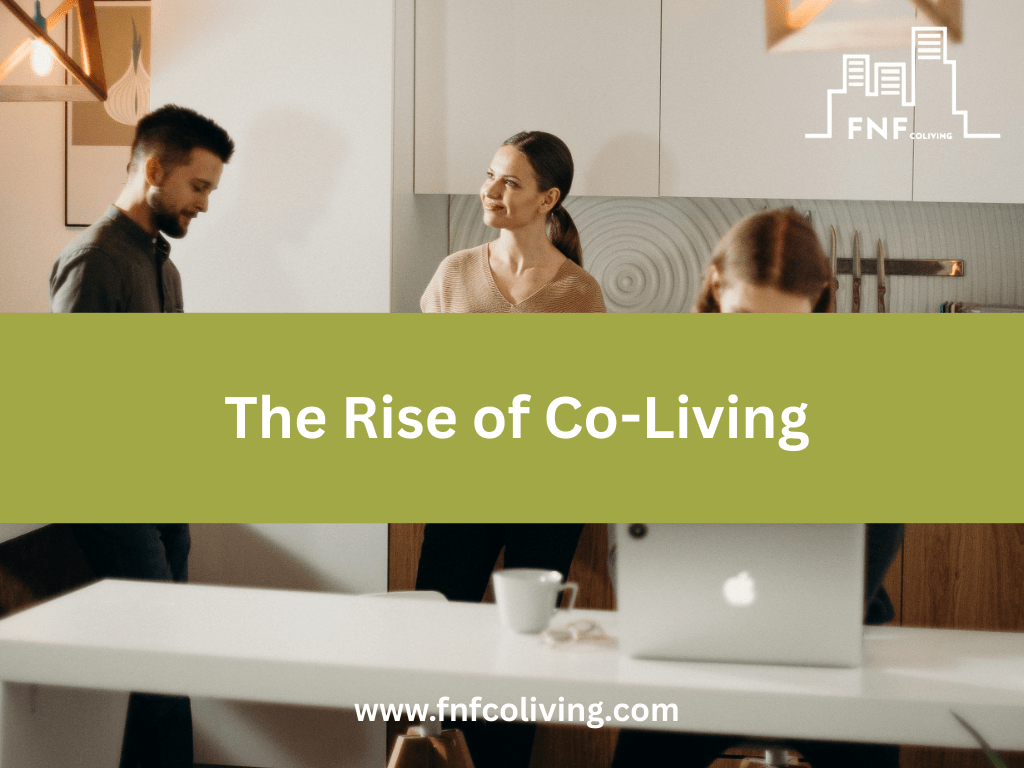
For decades, the Indian dream looked something like this: graduate, get a job, rent a flat (preferably 1BHK), and slowly “settle down.” Owning or renting your own space was seen as the ultimate marker of independence.
But Gen Z and millennials in India are rewriting that script. Instead of locking themselves into boring apartments and endless rent negotiations with landlords, they’re choosing co-living spaces — modern communities that blend comfort, flexibility, and connection.
And honestly? It’s not just about cheaper rent. It’s about lifestyle.
Why “Living Alone” Isn’t the Flex It Used To Be
Sure, living alone sounds cool until the reality kicks in:
- Paying a bomb for rent, furniture, and deposits.
- Managing everything — from Wi-Fi setups to leaky taps — on your own.
- The silence that hits when festivals or weekends roll around and you’ve got no one to hang out with.
Young India doesn’t want to waste its prime years stressing over electricity bills and cranky landlords. They’d rather spend that energy on travel, side hustles, hobbies, and friendships.
Enter Co-Living: The Perfect Balance
Co-living spaces aren’t “PGs 2.0.” They’re designed to be vibrant communities with:
- Private, fully furnished rooms (because privacy matters).
- Shared lounges, kitchens, and coworking zones (because connection matters too).
- Events, workshops, and hangouts that make networking and friendships almost effortless.
Think of it as renting a lifestyle, not just a room.
Experiences Over Expenses
For young professionals, freelancers, and students, the mindset is shifting. Instead of asking, “How much is the rent?”, the bigger question is, “What’s the experience?”
- Would you rather save ₹1,500 on rent but live in a dull flat with peeling walls?
- Or pay a little extra to stay in a buzzing space where you meet new people, have Netflix nights, yoga classes, and maybe even find your next co-founder?
It’s not just about where you sleep — it’s about how you live.
Stories from the Co-Living Generation
- The Freelancer Hustler: Meera, a content writer in Pune, says moving into a co-living space gave her an instant network of designers and photographers. “We started collaborating on projects over coffee in the lounge. It never would’ve happened if I was stuck in a 1BHK alone,” she shares.
- The Young Corporate Professional: Raghav, who works in Gurgaon, moved from a traditional flat to a co-living setup. “Earlier, I’d come home to four walls. Now, I come home to people. We play football on weekends, celebrate birthdays, and it honestly feels like family.”
Why This Trend Is Here to Stay
- Flexibility first: Short-term leases, no brokers, no drama.
- Built-in social life: In a time when loneliness is quietly becoming a big issue, co-living offers instant community.
- Value for money: You’re not just paying for a room, you’re paying for maintenance, security, and experiences bundled together.
- Perfect for a mobile generation: Whether it’s job changes, remote work, or study programs, co-living lets you pack up and move without headaches.
Final Word
Young India isn’t chasing square footage anymore — it’s chasing experiences.
For this generation, home isn’t just about four walls and rent receipts. It’s about community, convenience, and connection. And that’s exactly why co-living is on the rise.
Because at the end of the day, what good is a flat if it doesn’t feel like home?
