
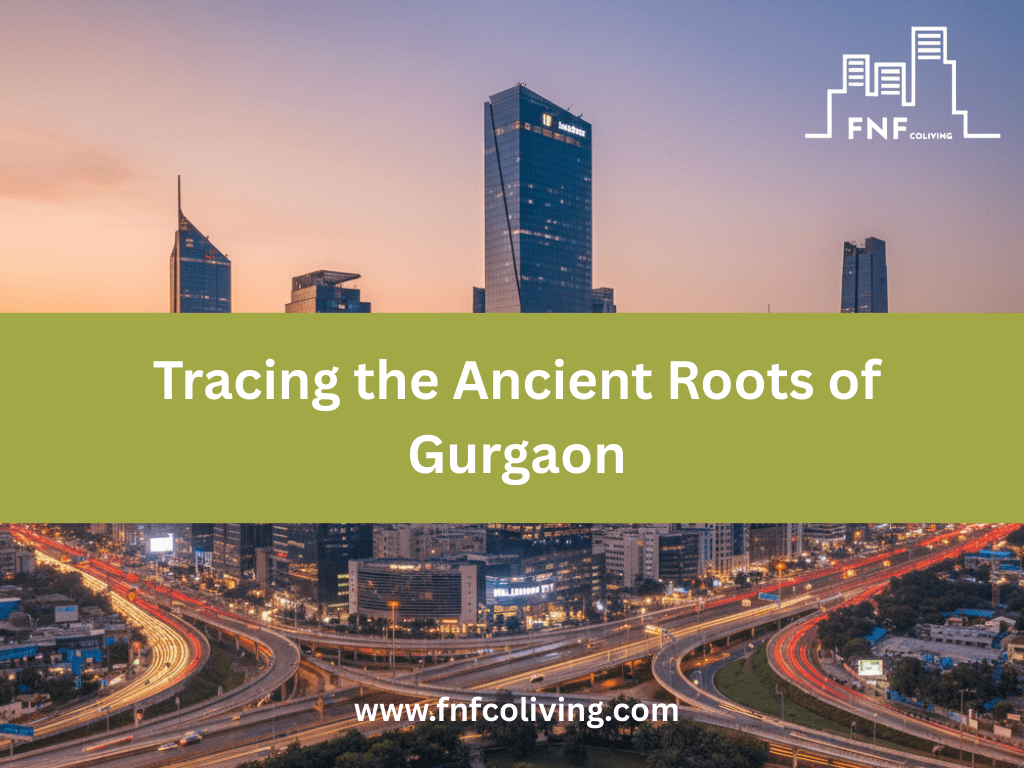
When we hear the name Gurgaon (or Gurugram, as it’s officially known now), the first images that often come to mind are its glass skyscrapers, buzzing corporate parks, and swanky shopping malls. It’s often hailed as India’s “Millennium City,” a hub of modern life and urban dreams. But beneath the surface of metro lines and high-rises lies a story far older, rooted in epic legends and ancient traditions.
The Mythical Origins: Gift of the Gurus
The origins of Gurgaon trace back to the Mahabharata, one of India’s greatest epics. According to legend, this land was gifted to Guru Dronacharya, the teacher of the Pandavas and Kauravas, by King Dhritarashtra. The name itself holds a clue: “Guru” referring to Dronacharya, and “Gram” meaning village. Thus, Gurgaon literally translates to “the village of the Guru.”

Guru Dronacharya trained his royal disciples in the art of warfare here, and the region became a cradle of martial knowledge, discipline, and values. It wasn’t just a piece of land—it was a symbol of respect to the Guru, embodying the ancient Indian tradition of honoring teachers.
From Sacred Land to Sleepy Town
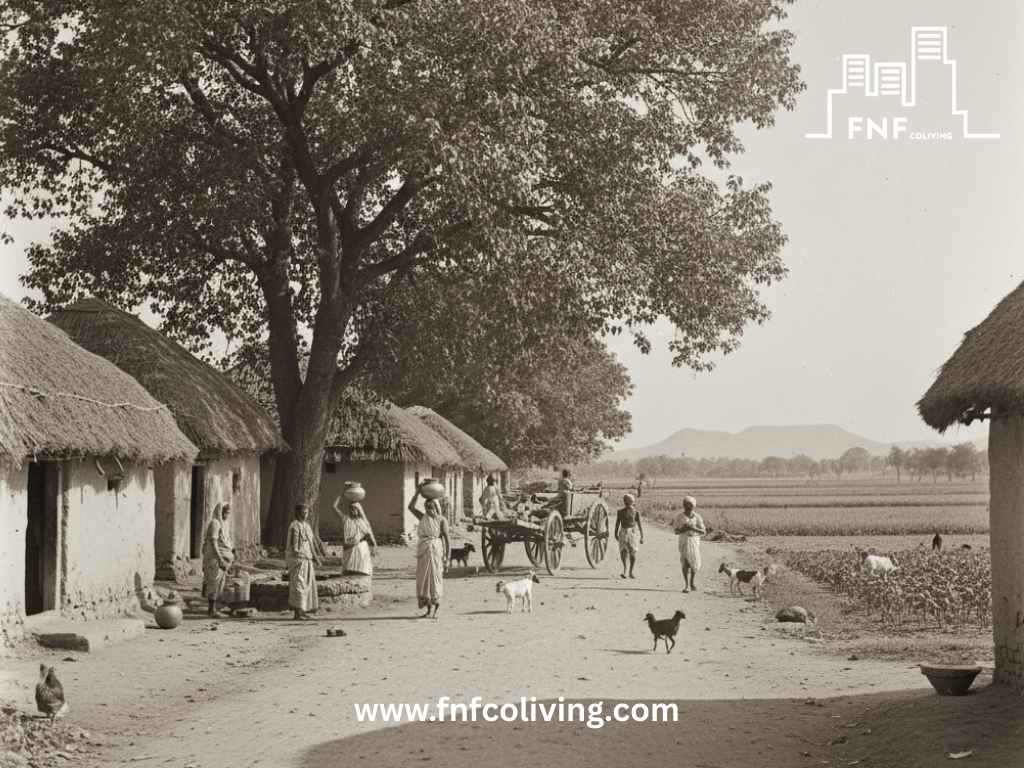
For centuries after the times of the Mahabharata, Gurgaon remained a small settlement. The echoes of its ancient past lived on through temples, oral traditions, and cultural practices. Before its leap into urban modernity, Gurgaon was largely a cluster of agricultural villages. The people here led simple lives, farming the fertile soil and drawing from the spiritual and historical weight of their homeland.
The Turning Point: From Village to Metropolis
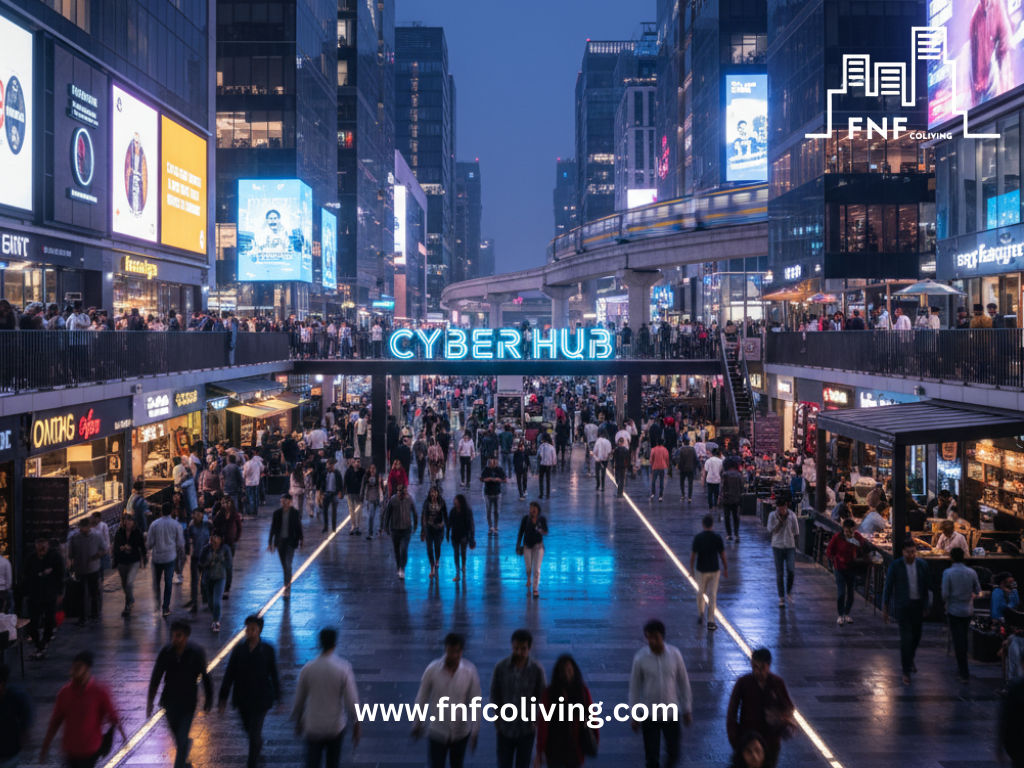
Fast forward to the late 20th century, and Gurgaon witnessed an unprecedented transformation. With liberalization and globalization knocking on India’s doors in the 1990s, Gurgaon became the chosen land for multinational corporations, IT firms, and developers. Towering glass offices rose where farmlands once stood, and real estate turned the sleepy town into a city buzzing with ambition.
Today, Gurgaon is home to some of India’s tallest skyscrapers, luxury apartments, and cutting-edge business centers. It’s a city that never sleeps—where deals are signed in air-conditioned boardrooms by day and celebrated in pubs and cafes by night.
Gurugram: A Name that Remembers the Past
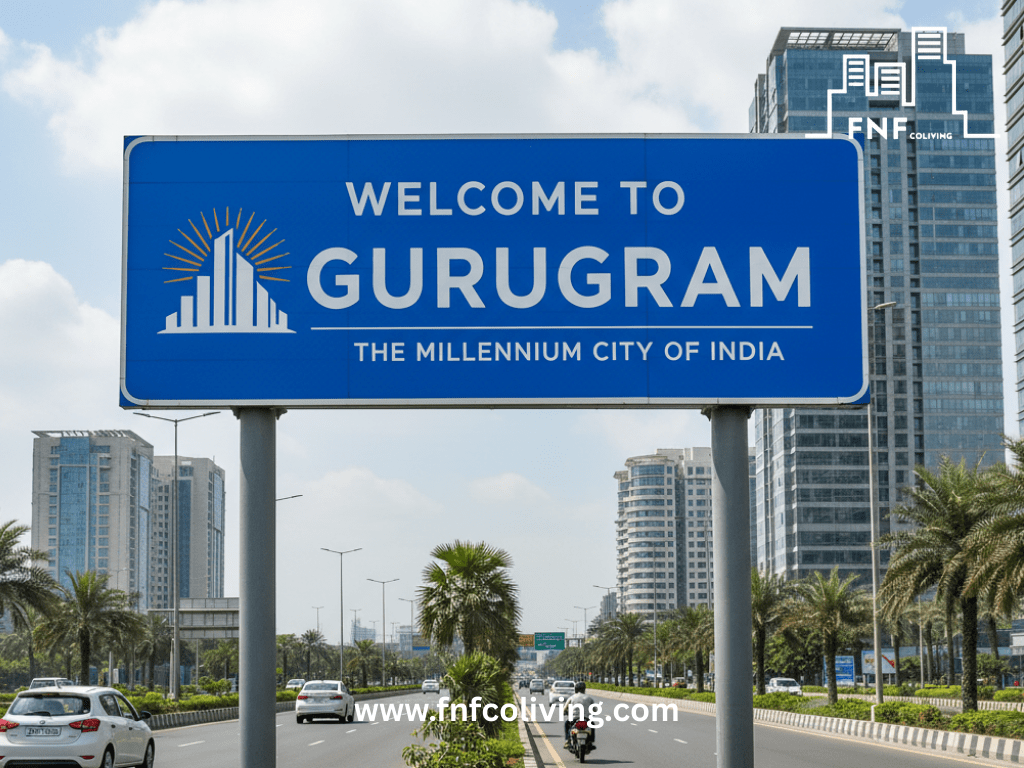
In 2016, the Haryana government officially renamed Gurgaon to Gurugram. The idea was simple yet profound: to remind people that beneath the modern glitz lies an ancient heritage linked to Guru Dronacharya. While many still use the old name, the new one is a symbolic bridge between past and present—a reminder that history and progress can co-exist.
The City of Contrasts
What makes Gurgaon fascinating is the contrast it embodies. On one side, you have modern marvels like Cyber Hub, DLF Cyber City, and golf courses straight out of a travel magazine. On the other, you’ll still find centuries-old temples, village clusters, and stories that locals pass down about their connection to the Mahabharata.
This duality is what defines Gurgaon—it’s not just a place of corporate power but also a land where myths breathe quietly beneath the shadow of skyscrapers.
Conclusion: More Than Just a Millennium City
Gurgaon, or Gurugram, is often described as India’s city of the future. But it’s equally important to see it as a city of the past—a land that carries the wisdom of a Guru while sprinting toward global recognition. It reminds us that even in the age of technology and urban sprawl, our roots still run deep, anchoring us to stories and values far older than we can imagine.
So the next time you cross Gurgaon’s bustling expressways or step into a gleaming mall, remember—you’re walking on the same soil where Guru Dronacharya once trained warriors of an epic age.
