
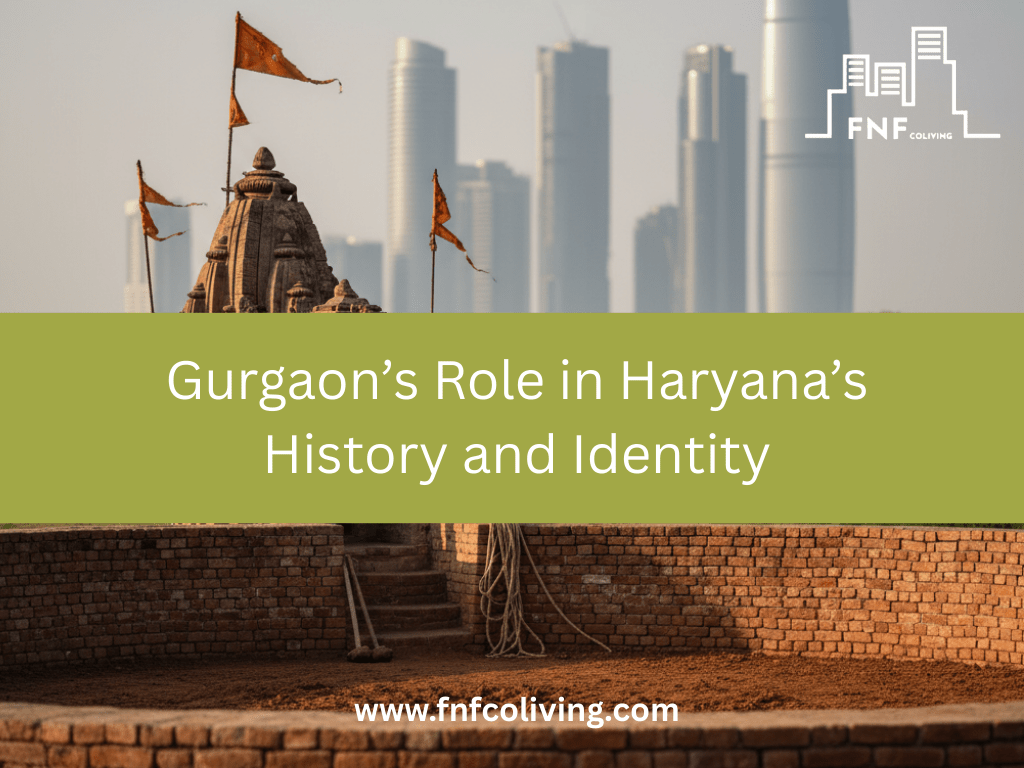
When we talk about Gurgaon today, most people think of Cyber City, big corporates, luxury apartments, and of course, the infamous traffic. But Gurgaon is way more than just a modern hub—it has played a pretty important role in Haryana’s history and in shaping the state’s identity.
So, let’s take a step back from the malls and metro lines, and look at Gurgaon from a historical and cultural angle.
From Guru Dronacharya to “Gurgaon”
The story starts in ancient times. According to legends, Gurgaon was once the village given to Guru Dronacharya—the teacher from the Mahabharata—by the Pandavas. That’s literally how the name came about: Guru + Gram (the village of the Guru). Over time, it became “Gurgaon.”
So before the IT companies and skyscrapers, this land was about gurus, disciples, and epic stories that are still a big part of India’s cultural memory.

Gurgaon in Haryana’s Struggle
When Haryana was carved out of Punjab in 1966, Gurgaon became one of the key districts that gave the new state its identity. Back then, it wasn’t the “millennium city” we know today. It was mostly farmland, small industries, and rural settlements. But it stood as a symbol of the “Haryanvi spirit”—simple, hardworking, and deeply rooted in tradition.

The Cultural Blend
One cool thing about Gurgaon is its mix of influences. Being so close to Delhi, it has always been at the crossroads of cultures—be it Mughal rule, British times, or modern India. You’ll still find Haryanvi folk music, wrestling akhadas, and local fairs coexisting with high-rise apartments and start-ups. This blend of rural and urban is exactly what makes Gurgaon so unique in Haryana’s identity.

Gurgaon as Haryana’s Face to the World
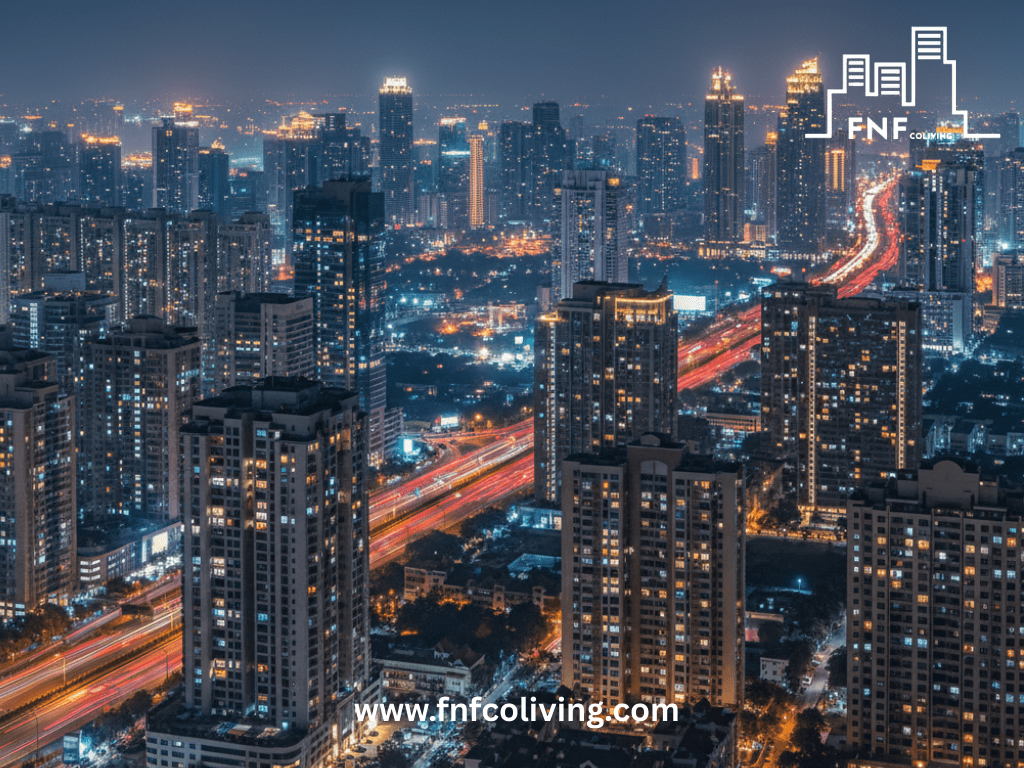
Fast forward to the late 90s and 2000s—Gurgaon suddenly became the poster boy of Haryana. With all the IT parks, multinational companies, and massive infrastructure projects, Gurgaon started representing Haryana on a global scale.
Let’s be honest: ask someone outside India about Haryana, and chances are they’ll first recall Gurgaon. It became the “showcase city” of the state, proving that Haryana is not just about agriculture but also about modern growth and opportunities.
But the Roots Still Matter
Even with all the development, Gurgaon hasn’t lost its desi charm. Behind the glass buildings, you’ll still find villages where Haryanvi culture thrives—folk songs, raasleela performances, traditional food, and age-old customs. This balance of modern identity and traditional culture is exactly what makes Gurgaon such a vital piece of Haryana’s story.

Final Thoughts
Gurgaon may now be full of metro stations and corporate parks, but its role in Haryana’s history and identity is much deeper. From being the land of Guru Dronacharya to becoming Haryana’s global face, Gurgaon shows us how tradition and modernity can live side by side.
So, the next time you see Gurgaon’s skyline, just remember—behind every glass tower, there’s a history that goes back thousands of years, shaping not just the city but Haryana’s identity as a whole.
