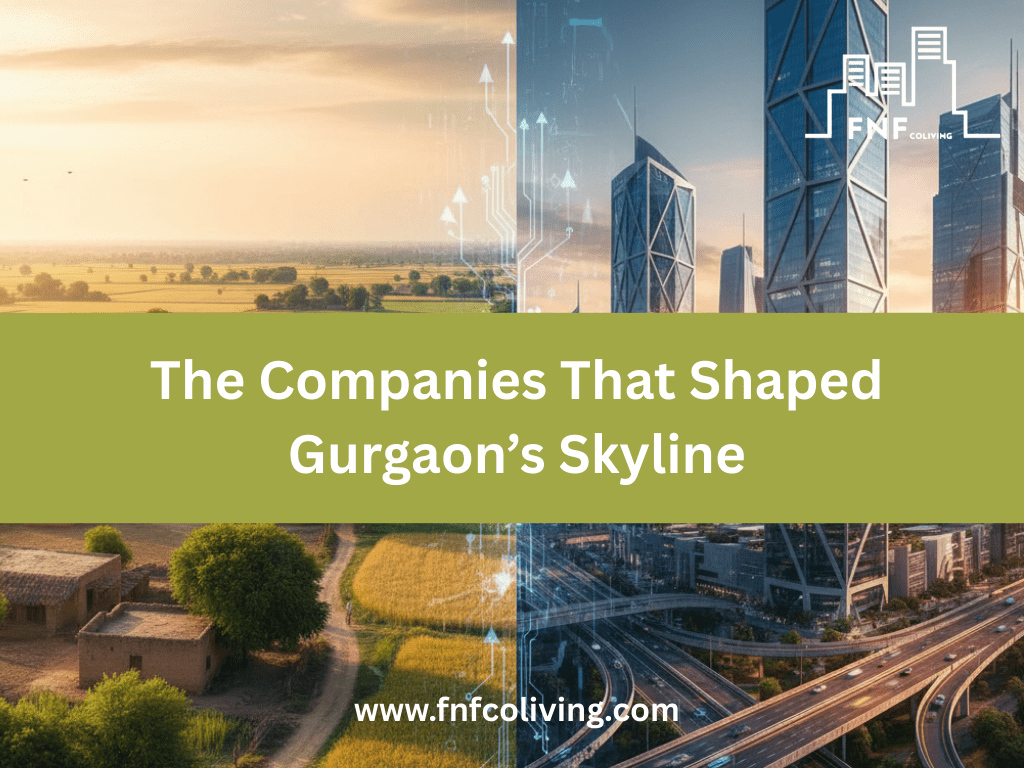
When you think of Gurgaon today, the first image that probably comes to mind is the skyline—tall glass towers stretching across Cyber City, Golf Course Road, and beyond. But here’s the thing: Gurgaon wasn’t always like this. Just a few decades ago, it was mostly farmland and sleepy villages. So, how did it transform into India’s corporate capital?
Well, credit goes to a few big companies that literally built this city’s identity, brick by brick and glass by glass.
DLF – The First Game Changer
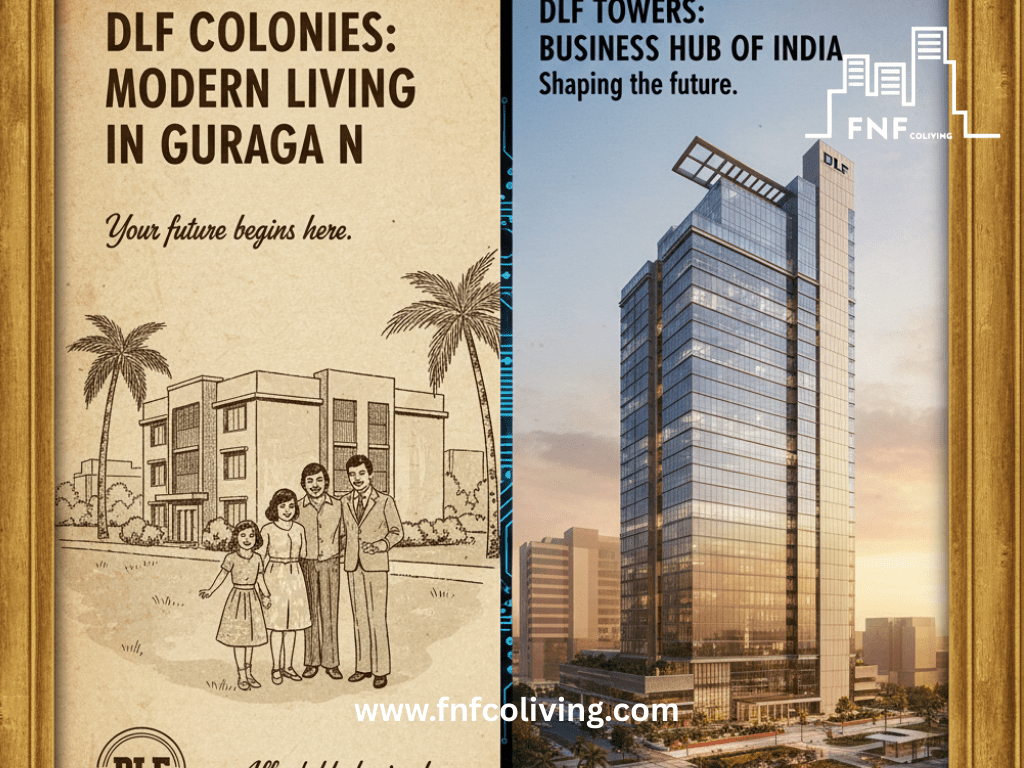
You can’t talk about Gurgaon without mentioning DLF (Delhi Land & Finance). Back in the 1970s and 80s, when Delhi was tightening its land rules, DLF took a gamble and started developing land in Gurgaon. Malls, housing societies, and office spaces followed—and suddenly Gurgaon became “the place” for businesses and residents.
In short: no DLF, no Millennium City.
Maruti Suzuki – Putting Gurgaon on the Industrial Map
Before the fancy towers, Gurgaon’s first big identity came with Maruti Suzuki. When the car plant opened in the 1980s, it gave Gurgaon its first push toward being an industrial hub. Thousands of jobs came in, supporting industries popped up, and Gurgaon slowly became known as more than just farmland.
You could say Maruti was Gurgaon’s first corporate superstar.

The IT and BPO Wave – Infosys, TCS, Genpact & More
Then came the 2000s, and with it, the IT-BPO boom. Companies like Genpact, Infosys, Wipro, TCS, and Accenture set up massive offices here. Cyber City and Udyog Vihar became buzzing hubs where people worked night shifts for clients halfway across the globe.
This was the moment Gurgaon truly became “India’s outsourcing capital.”
Multinationals and Finance Giants – Making It Global
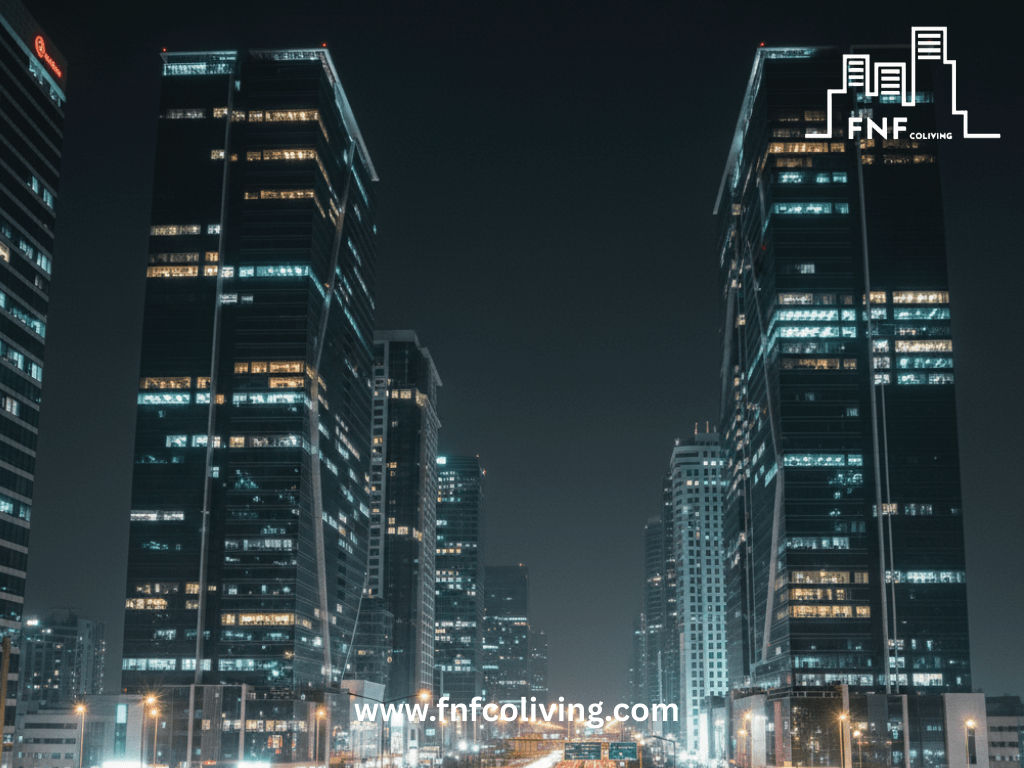
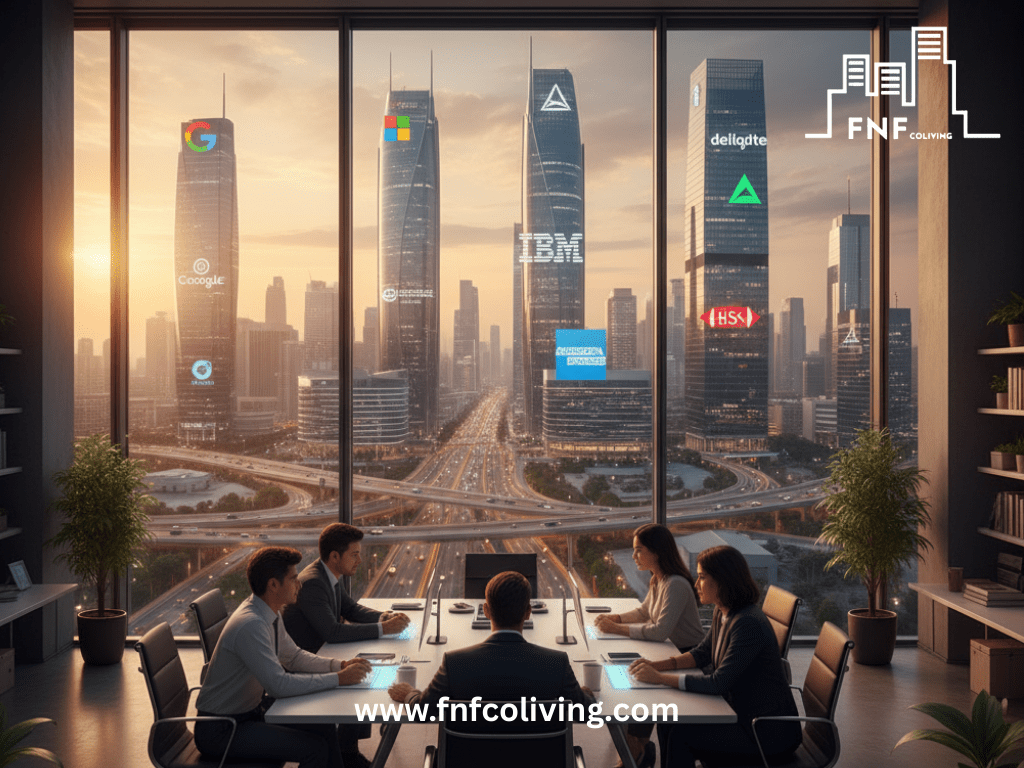
Gurgaon didn’t just attract Indian companies; it pulled in global giants too. Google, Microsoft, IBM, American Express, HSBC, and Deloitte—you name it, they all set up shop here. Suddenly, Gurgaon wasn’t just a city; it was a global business address.
These companies gave Gurgaon its truly international vibe, making it look more like Singapore or Dubai than a traditional Indian city.
Real Estate Developers – Shaping the Skyline Itself
While corporates brought in jobs, developers like DLF, Unitech, Vatika, and Ansal shaped the actual skyline with luxury apartments, malls, and office complexes. Without them, the glass towers we see today would never have existed.
Final Thoughts
Gurgaon’s skyline isn’t just about buildings—it’s about the companies that dreamed big and bet on a city nobody believed in at first. From Maruti Suzuki’s factory floors to DLF’s mega real estate vision, from Indian IT giants to global MNCs, each one played a role in making Gurgaon the corporate capital of India.
Next time you’re stuck in Gurgaon traffic (which is always), just look around—the towers you see are more than offices. They’re milestones of the companies that built this city’s identity.
