
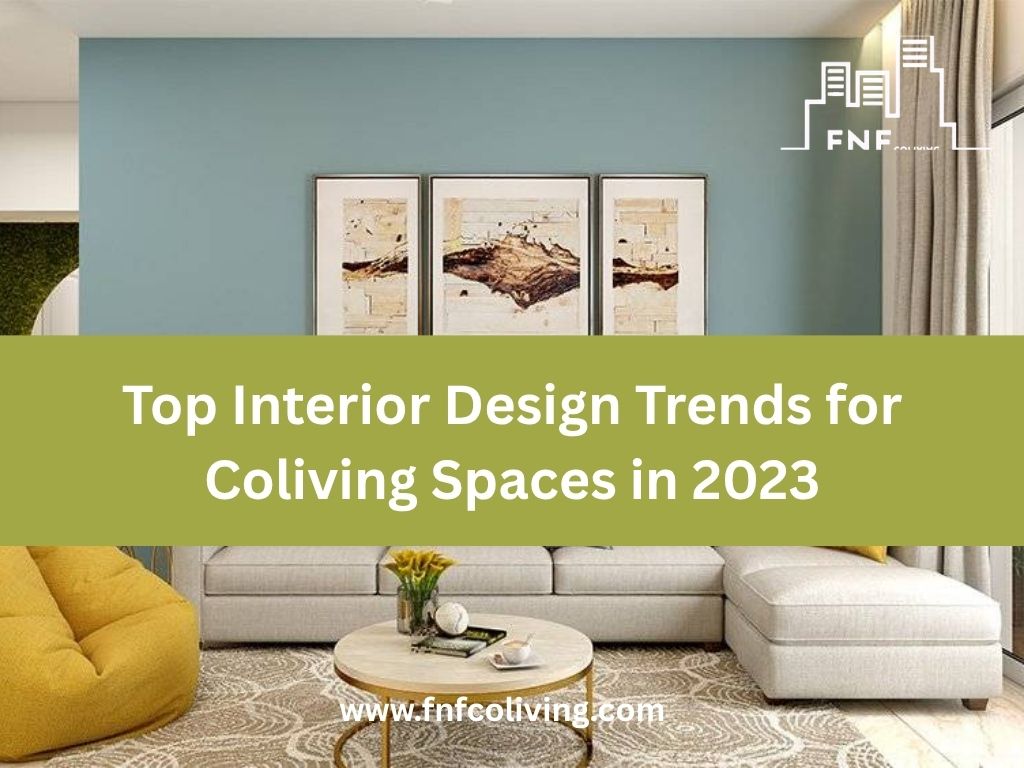
Interior design plays a much bigger role in coliving spaces than simply making a place look attractive. In shared living environments, design directly affects comfort, productivity, privacy, and the way residents interact with one another.
A well-designed coliving space can make daily life smoother, create a stronger sense of community, and improve the overall resident experience. This is why modern operators now focus heavily on interior design that balances style with functionality.
Today, coliving interiors are moving beyond basic furniture setups and becoming thoughtfully planned living ecosystems.
1. Multi-Functional Furniture for Smart Living
One of the biggest trends in coliving design is the use of multi-functional furniture.
Since urban housing often needs to maximize available space, furniture is now designed to serve multiple purposes. Examples include:
- Beds with storage drawers
- Foldable dining tables
- Sofa-cum-beds
- Study desks integrated with shelves
- Modular wardrobes
This helps residents enjoy more utility without making rooms feel crowded.
Smart furniture is especially useful in private rooms where every square foot matters.
2. Minimalist Yet Warm Interiors
Modern coliving spaces are moving toward clean, minimal interiors that still feel warm and welcoming.
Instead of cluttered rooms or overly decorative spaces, designers now prefer:
- Neutral color palettes
- Clean lines and simple layouts
- Soft textures
- Wooden finishes
- Functional décor pieces
This style creates calm surroundings, reduces visual stress, and helps spaces feel more spacious.
Minimalism in coliving is not about emptiness — it is about purposeful comfort.
3. Dedicated Work-Friendly Design
As remote and hybrid work become common, interior design now includes spaces that support productivity.
Popular work-focused design elements include:
- Ergonomic chairs and desks
- Quiet study zones
- Coworking lounges
- Charging stations
- Better lighting for video calls
- Acoustic design for reduced noise
Residents increasingly expect their home to support both living and working, making this one of the most important coliving design trends.
4. Community-Centered Shared Spaces
One of the core strengths of coliving is interaction, and interior design now actively supports that.
Shared spaces are being designed to encourage natural connection through:
- Open lounges
- Communal dining tables
- Café-style seating areas
- Terrace seating zones
- Entertainment corners
- Gaming and recreation rooms
The goal is to create places where residents naturally spend time together rather than staying isolated in private rooms.
These spaces help turn housing into a real community.
5. Privacy-Focused Room Design
Even in shared living, privacy remains essential.
Modern coliving interiors now focus on giving residents stronger personal comfort through:
- Better room layouts
- Sound insulation
- Individual locks
- Personal storage zones
- Partitioned layouts in shared rooms
- Smart use of space for personal boundaries
This trend recognizes that successful coliving requires both community and personal space.
6. Natural Light and Biophilic Design
A major design trend today is bringing nature indoors.
Known as biophilic design, this approach includes:
- Large windows for sunlight
- Indoor plants
- Natural ventilation
- Wooden textures
- Green balconies and terraces
- Open-air common areas
Natural light improves mood, productivity, and well-being, while greenery helps spaces feel fresher and calmer.
This is especially valuable in busy urban environments.
7. Sustainable Interior Design Choices
Many coliving spaces are adopting eco-conscious interiors.
This includes:
- Energy-efficient lighting
- Recycled or sustainable materials
- Water-saving fixtures
- Durable furniture with long life cycles
- Waste segregation areas
Residents increasingly value homes that combine comfort with responsible living.
Sustainability has become both a lifestyle preference and a design priority.
8. Personalized Aesthetic Touches
Earlier rental spaces often felt generic and impersonal. Modern coliving is changing that.
Designers now create spaces with personality through:
- Wall art
- Accent lighting
- Themed lounges
- Bold feature walls
- Local cultural elements
- Instagram-friendly corners
These touches help residents feel emotionally connected to the space rather than feeling like they are staying in temporary housing.
9. Smart Home Integration
Technology is becoming part of coliving interiors.
Common smart features include:
- Smart locks
- App-based access
- Automated lighting
- Energy monitoring systems
- Smart appliances
- Digital maintenance requests
This adds convenience while improving security and efficiency.
10. Wellness-Oriented Design
Modern residents increasingly prioritize health and well-being.
As a result, coliving interiors now include:
- Meditation corners
- Fitness rooms
- Calm color schemes
- Better air circulation
- Relaxation lounges
- Noise-reducing layouts
The idea is to make the home not just livable, but restorative.
Why These Trends Matter for Residents
Good design affects much more than appearance.
It influences:
- Daily productivity
- Mood and mental well-being
- Social comfort
- Work-life balance
- Space efficiency
- Overall satisfaction with where you live
In coliving, interior design becomes part of the lifestyle experience.
The best coliving spaces today are no longer just furnished properties — they are thoughtfully designed environments built around how modern people actually live.
From productivity zones and private comfort to community lounges and sustainable design, these trends are shaping the future of urban housing.
If you’re looking for a space where design truly improves everyday living, choosing the right coliving setup matters. Spaces like FnF Coliving reflect this modern approach — where comfort, functionality, and style come together to create a place that genuinely feels like home.
