
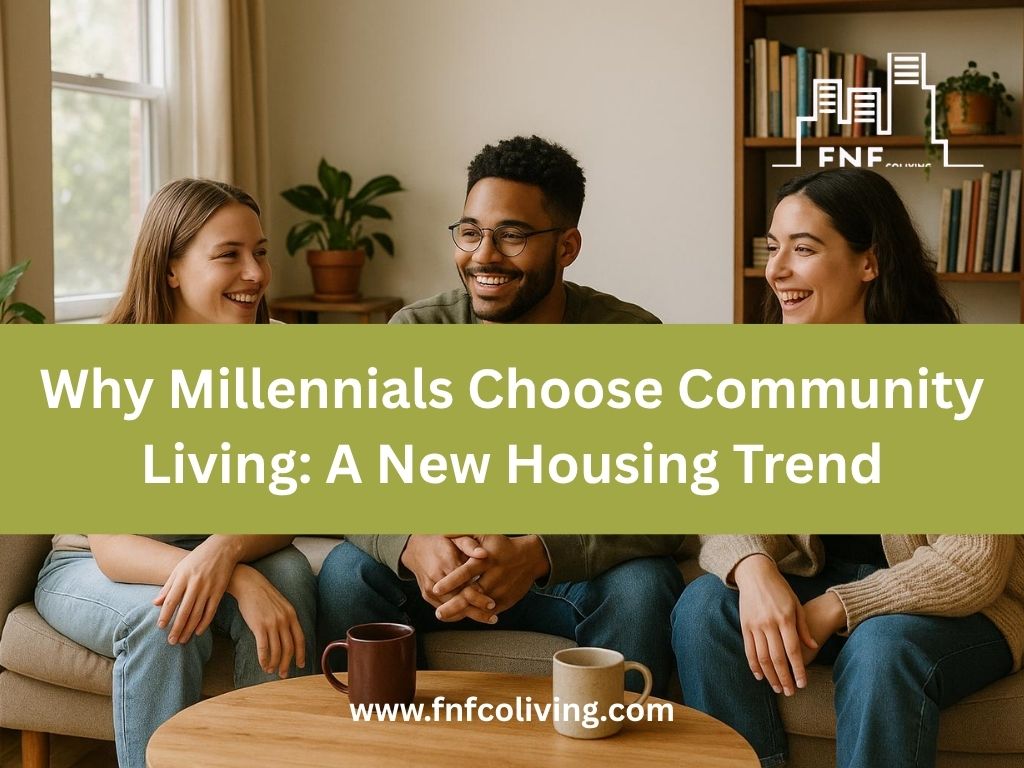
The way people live is changing rapidly. Earlier, housing was mainly about finding a private room or apartment and managing everything independently. Today, people want more than just four walls. They are looking for comfort, convenience, flexibility, and human connection.
This shift is one of the biggest reasons why community living is becoming the future of modern housing. Residents now value environments that improve lifestyle, reduce stress, and create a sense of belonging.
Housing is no longer only about space — it is about experience.
Community living is a modern housing concept where people enjoy private personal spaces while sharing common amenities and social environments.
It often includes:
- Private rooms or personal spaces
- Shared lounges and kitchens
- Coworking or work-friendly zones
- Community activities
- Managed maintenance and services
- Opportunities for social interaction
Unlike isolated rentals, community living creates a lifestyle where residents can enjoy both privacy and connection.
Several lifestyle trends are driving the growth of community living.
Key reasons include:
- Rising urban loneliness
- Frequent relocations for work
- Growth of remote work
- Need for flexible housing
- Rising living costs
- Preference for convenience-based living
Modern residents want homes that adapt to changing lifestyles. Community living responds directly to these needs.
One of the biggest challenges of city life is social isolation.
Many people move to new cities for jobs or studies and may not know anyone around them. Even in crowded urban areas, loneliness is common.
Community living helps solve this through:
- Everyday interaction
- Shared meals and conversations
- Familiar faces around you
- Supportive environment
- Stronger sense of belonging
Sometimes simply living around people can improve emotional well-being.
Working professionals often have demanding schedules and limited free time.
Community living supports them through:
- Ready-to-move-in spaces
- Better networking opportunities
- Easier routines
- Less housing stress
- Improved work-life balance
- Access to like-minded residents
For professionals, this creates a more practical and balanced urban lifestyle.
A home environment affects mood, stress levels, and emotional comfort.
Community living often improves well-being because residents experience:
- Reduced isolation
- More emotional support
- Better daily energy
- Social balance after work
- Stronger comfort in a new city
People generally feel better when they feel connected.
Community-based housing also supports smarter urban living.
Shared spaces and resources can reduce:
- Duplicate furniture purchases
- Excess utility consumption
- Underused living space
- Wasteful individual setups
As cities become more crowded, efficient housing models like community living become increasingly valuable.
Why Do Younger Generations Prefer Community Living?
Millennials and Gen Z often prioritize flexibility, experiences, and convenience over rigid housing models.
They prefer homes that offer:
- Social connection
- Lifestyle benefits
- Flexible stay options
- Better amenities
- Stronger work-life balance
- Modern living experience
This is why younger renters are driving demand for community-based housing.
A common misconception is that community living removes privacy.
Modern community living spaces are designed to provide both:
- Private rooms for personal comfort and rest
- Shared spaces for connection and social interaction
Residents can choose when to engage and when to enjoy quiet personal time.
This balance is one of the strongest reasons community living works so well.
The future of housing will be shaped by changing lifestyles, rising urban costs, and the growing need for emotional well-being.
Community living solves multiple modern challenges at once by offering:
- Connection
- Convenience
- Flexibility
- Better value
- Smarter city living
- More meaningful daily life
It transforms housing from a transaction into an experience.
For people looking for better urban living, FnF Coliving offers thoughtfully managed spaces where comfort, convenience, and community come together.
With prime locations and modern living environments, FnF helps residents experience what future-ready housing truly feels like.
Community living is the future because people want more from where they live. They want homes that support well-being, create connection, and simplify everyday life.
As cities grow faster and lifestyles become more dynamic, isolated housing models will continue to evolve into connected living environments.
Spaces like FnF Coliving represent this shift — where modern housing feels smarter, warmer, and more human.
